
History
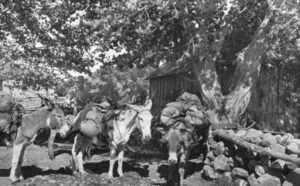
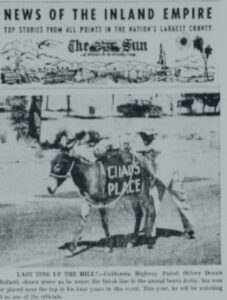
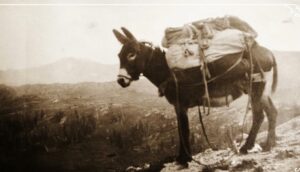
In the early 1950s, it is said that a man roped several burros north of Death Valley and released them into the remote hills of Southern California—near Pigeon Pass Road in Moreno Valley, Reche Canyon Road in Colton, and San Timoteo Canyon Road in Redlands. At the time, this was truly the middle of nowhere, making it the perfect place to release the herd into the rocky, unpopulated terrain.
Nearly 70 years later, these burros have become an integral part of the local landscape, as familiar as the shrubs and trees that dot the face of hills. The herds have greatly spread out and multiplied over time, and today there are approximately 2,000 free-roaming wild burros in the hills. The majority of the local residents have embraced them, valuing the burros not only for their presence but also for their role as the best natural form of fire prevention.
The wild burros of Southern California are the state’s only free-roaming herds on private land. The land is all privately owned which is why the burros have not been rounded up by BLM, as most other wild burros are.
However, the severe drought and persistent desert dryness is one of the causes that drive these burros from their natural habitat in search of water and food to survive. This means they must cross busy streets and neighborhoods daily, putting themselves—and the people around them—at serious risk. These gentle, iconic animals deserve our respect, care, and protection.
Traffic is the greatest threat to the burros. Many have been killed or left severely injured along roadsides after being struck by vehicles—and tragically, humans have lost their lives as well. Sadly, the current number of burro fatalities have more than doubled. Their story where they originated, isn’t as important as where their future lies.